
First trip to Korea: a guide from someone who’s been twice
Two trips to Korea, including two months living in Seoul. Honest first-trip guide - when to go, where to base yourself, what to budget, what to skip.
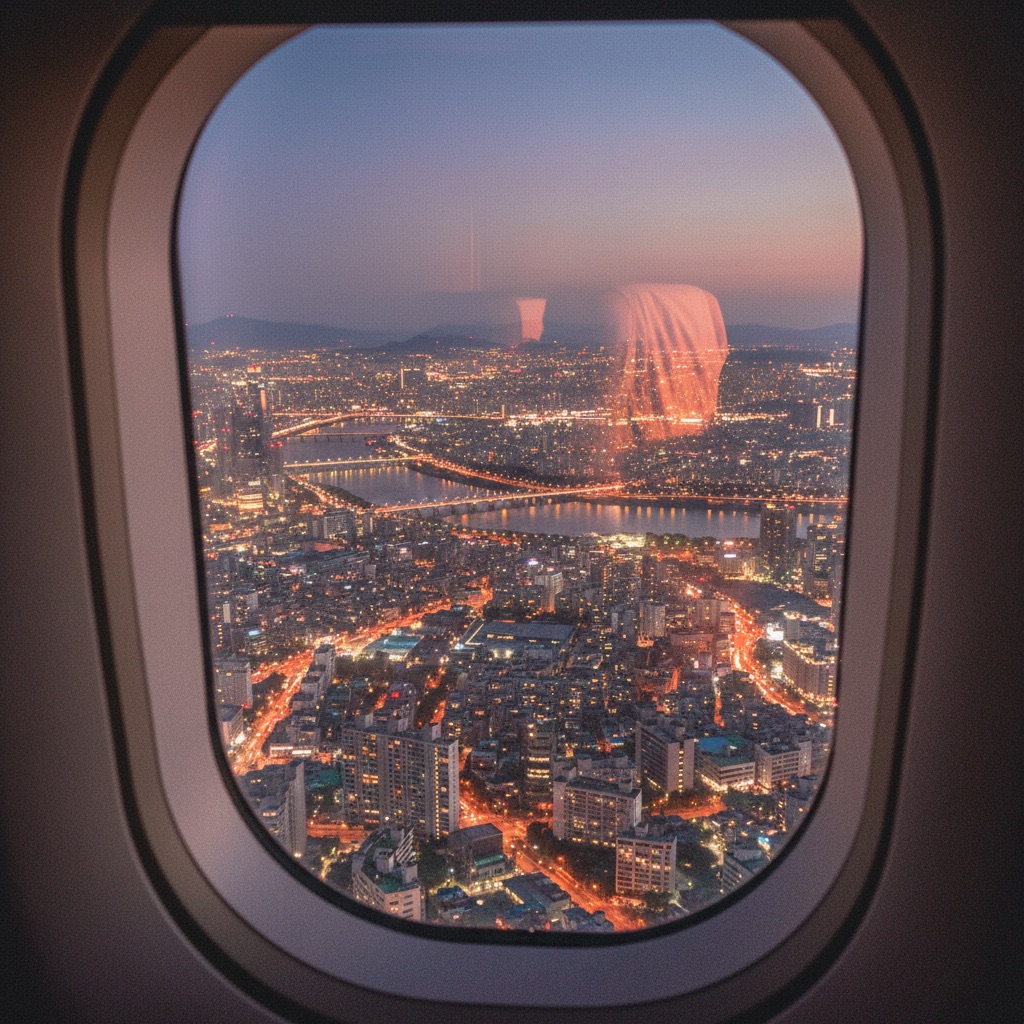
I’ve been to Korea twice.
The first time was the classic first trip - one week, mostly Seoul, a quick Busan side-trip, the famous restaurants and palaces.
The second was a two-month working stay in Gangnam-Seocho. A very different relationship with the country.
This is the guide I’d give my younger self.
It assumes you have one to two weeks, you’ve never been before, and you want a trip that’s good and honest.
Quick version
- When to go: October. Crisp, sunny, low humidity. Cherry blossoms in April also work. Avoid August (humid, exhausting) and February (cold, dry).
- How long: 10-14 days for a first trip. 7 days is too rushed.
- Where to base yourself: Seoul for most of it. Hannam, Yeonnam, or Ikseon-dong if you want to feel the modern city. Bukchon for the traditional one.
- What to budget: €1,500-2,500 per person for 10 days excluding flights. Flights add €800-1,200 from Brussels.
- What to skip: Lotte World, the “K-pop tours,” and most of the things on top-10 Instagram lists.
When to go
October is the right answer for almost everyone.
The weather is at its best - cool, dry, sunny, with the gingko trees yellow and the maples turning. The humidity that defines a Korean summer is gone. Crowds at the palaces are manageable. Restaurants aren’t booked out two weeks ahead the way they are during cherry-blossom week.
April works, with caveats. The cherry blossoms are real and beautiful, particularly around Yeouido, Seokchon Lake and the Han River. Crowds during peak bloom are also real.
If you go in April, build flexibility into your dates. The peak bloom window moves by 5-10 days year on year.
Spring and autumn also have a small structural advantage: the metro, the parks, the cafes, the streets are all open to long walks. In August you’re walking from air-conditioned space to air-conditioned space. In February you’re avoiding outdoor anything after sunset.
How long
For a first trip from Europe: 10-14 days, including travel.
Less than 10 days and you’ll spend half the trip jet-lagged and the other half being rushed past the things you came to see.
More than 14 days and the math shifts. You can do a real Busan trip, Jeju Island, or a deeper dive into the countryside. But you also start needing a working break, since vacation mode gets tiring around day 12.
The honest sweet spot: 12 days. Three days to lose jet lag, six days exploring Seoul, two days for a Busan or DMZ side trip, one day to wind down.
Where to base yourself in Seoul
Most first-time guides recommend Myeongdong. Don’t.
It’s the tourist-trap pedestrian zone with overpriced food and street stalls aimed at people who’ll be gone in three days. Stay 15 minutes’ metro ride away and visit Myeongdong for lunch one afternoon.
The neighbourhoods I’d actually recommend:
- Hannam-dong / Itaewon - international, slower, excellent cafes, walkable to Namsan. Good for a quieter first trip.
- Yeonnam-dong - the trendy “Seoul Brooklyn” pocket west of Hongdae. Independent cafes, small restaurants, an artsy bent.
- Ikseon-dong / Jongno - traditional hanok alleyways with modern cafes inside them. The most photogenic compromise between old and new.
- Bukchon Hanok Village area - touristy but worth it if you want morning walks through traditional houses.
- Gangnam-Seocho - what I picked for my two-month stay. Quieter than the famous Gangnam strip, residential, well-served. Less ideal as a first-trip base because it’s further from the historical sites.
What to avoid as a base: Gangnam Station, Hongdae centre, Myeongdong. Loud, foreigner-priced, and the metro will take you to all of them in 15 minutes anyway.
The first-trip itinerary I’d actually run
A 12-day Korea trip, balanced between Seoul deep-dive and one major side trip.
Day 1 (arrival): land in the afternoon. AREX train (₩9,500) to your base. Eat near the hotel. Sleep early.
Day 2: jet-lag day. Slow walk through your neighbourhood. A daytime cafe. Bukchon Hanok Village in the late afternoon when the day-trippers have left. Early Korean BBQ dinner.
Day 3: Gyeongbokgung Palace (free if you wear a hanbok, but go for the place, not the photo). Walk to the National Folk Museum. Insadong for late lunch and traditional crafts. Bukchon by night.
Day 4: the east side. Changdeokgung Palace and Secret Garden (book ahead). Ikseon-dong for lunch. Cheonggyecheon walk in the late afternoon.
Day 5: DMZ tour day. Book a JSA-included tour if you can. Back to Seoul evening.
Day 6: slow morning. Hangang River bike ride if the weather is good. Picnic lunch from a konbini. Yeouido cafe in late afternoon.
Day 7: KTX to Busan (2h 30min, ~₩60,000). Beachside lunch in Haeundae. Gamcheon Culture Village. Dinner at a seafood market.
Day 8: Busan day - Bosu-dong book alley, Jagalchi fish market, a temple stop (Haedong Yonggungsa).
Day 9: KTX back to Seoul mid-morning. Lunch in Yeonnam-dong. Afternoon at a Korean spa (Dragon Hill Spa).
Day 10: Olive Young haul and shopping morning. Late lunch at a Michelin Bib Gourmand Korean restaurant. Hangang sunset.
Day 11: the “things you wanted to do you didn’t get to yet” day. Held in reserve for weather and your energy.
Day 12: departure.
What to budget
For two people, 12 days, mid-range:
- Flights: €2,000-2,800 for two from Brussels.
- Accommodation: €100-180/night for a mid-range hotel or solid apartment, 11 nights = €1,200-2,000.
- Food: €40-80/day per person = €960-1,920 over 12 days for two.
- Transport: €40-60 per person for the trip including AREX, metro, and a Busan return KTX.
- Activities and tours: €200-400 (DMZ tour, palace entries, Secret Garden, a spa).
- Shopping: €0 to a lot. Olive Young is the gentle slope.
Total: €4,500-7,500 for two people, 12 days, including flights.
What to skip
Some of these will be unpopular.
- Lotte World. A tired theme park. The Seoul Sky observation tower next to it is nice; skip the rest.
- Most “K-pop tours.” Sales funnels to merchandise stores. If you genuinely care about K-pop, a SM/HYBE/JYP company tour is fine.
- The N Seoul Tower lock walls. The view is nice. The locks are a tourist artefact. Go for the view, leave the lock at home.
- Myeongdong food street. Overpriced versions of food you can have better elsewhere.
- The fish-foot-spa places. Charging tourists to put their feet in a tank of fish is a fad from 2010. It’s still there. It’s still bad.
What to absolutely do
- One real Korean BBQ dinner. Galbi at a proper local spot, not a tourist barbecue chain. A Korean friend recommendation beats Google ratings for this one.
- One jjimjilbang visit. The 24-hour bathhouse experience is genuinely Korean. Big chains (Dragon Hill, Spa Land in Busan) are foreigner-friendly.
- One serious palace day. Either Gyeongbokgung or Changdeokgung, properly. Don’t speed-walk through both.
- One Hangang park afternoon. The bike rental, the riverside lawn, a convenience-store picnic. It’s where Seoul actually relaxes.
- One day outside Seoul. Busan is the easy pick; DMZ is the heavier one; Suwon and Hwaseong Fortress is a softer option.
- One late-night walk back to your accommodation. Just to notice what the city is like after 11pm. More on that here.
The small things every guide forgets
- The bathrooms in Korean restaurants are sometimes shared with the building. The key is at the counter. Just ask.
- Tipping is not done. Round up the bill at most.
- Don’t refill your own glass at a Korean dinner. The person next to you does it. You do theirs.
- The 90-day visa-free entry for EU passports is enough for any first trip. You still need K-ETA before flying.
- October is rainy week one and crisp week three. Pack layers.
- The Hangul-on-the-plane investment is real. Three hours. It opens the country.
FAQ
Is Korea good for a solo female traveller?
Yes, among the best in the world. The “safety as a woman alone at night” experience is genuinely different from what you’re used to. Don’t let outdated travel-blog warnings keep you from going alone.
How much Korean do I need?
None to get by. Three words (annyeonghaseyo, kamsahamnida, juseyo) plus Hangul reading to thrive. More etiquette and language detail here.
Should I rent a car?
No. Seoul is dense. Public transport is excellent. For a first trip, KTX and metro cover everything.
Closing thoughts
Most first-trip Korea guides are written for one of two audiences: K-pop fans coming to chase a specific aesthetic, or budget backpackers staying at the same five hostels.
This guide is for the person flying from Brussels with two weeks of holiday, no skin in the K-pop game, and a real budget that’s not unlimited.
Korea rewards that traveller more than it gets credit for. The food is genuinely the best argument for going. The infrastructure is the second. The “I felt safe and welcome and well-fed for two weeks” is the third.
October. Twelve days. Stay outside Myeongdong. The rest writes itself.