Everything I wish I’d known before flying to Seoul
I'd been to Korea before and I still got plenty wrong. The honest list of small things that would have saved me a week, written from Brussels.
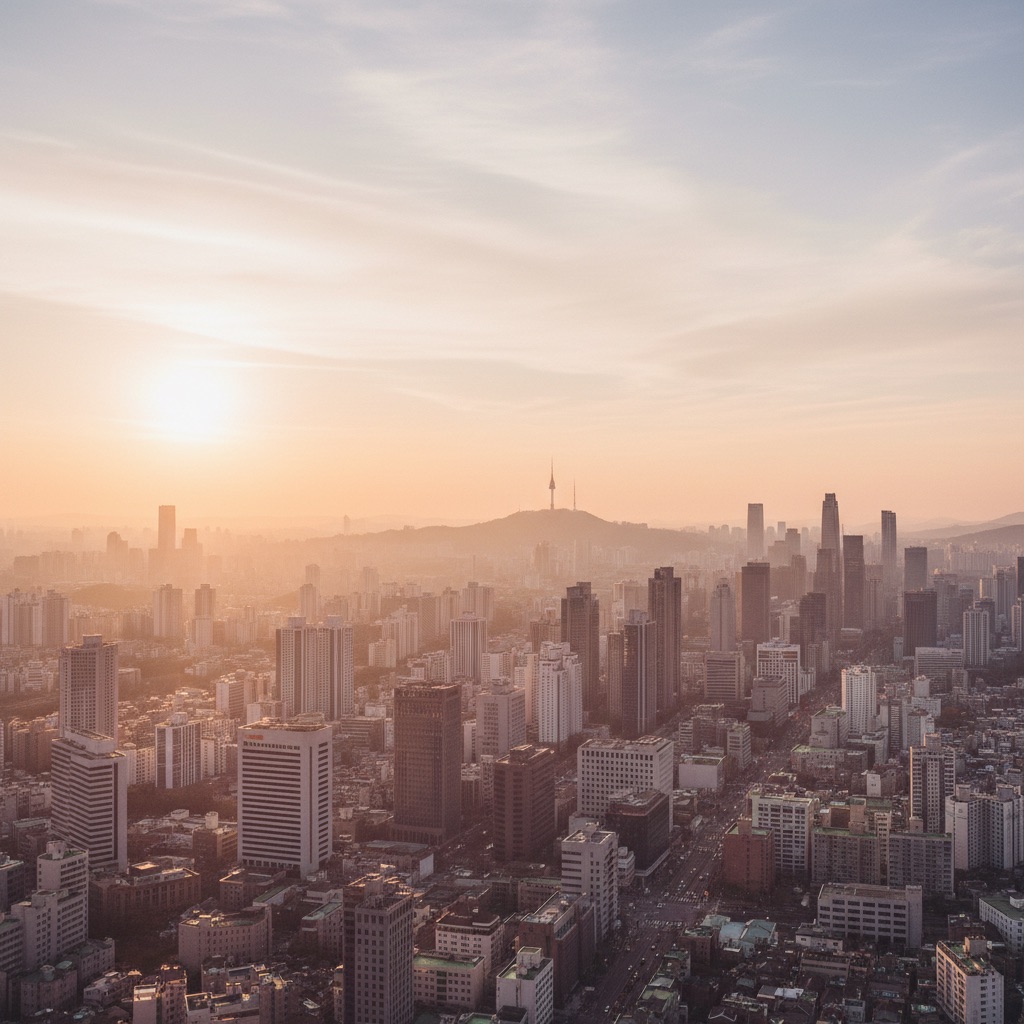
I’d been to Korea before this two-month stay.
I’d done the major Seoul neighbourhoods. Eaten in the famous restaurants. Done Busan and back.
I still got plenty wrong.
This is the list I wish I’d had at Brussels Airport in September.
Quick version
- Visa: the 90-day visa-free entry for EU passports covers a two-month working stay.
- Apartment or hotel: Korean platforms are 20-30% cheaper than international short-stays.
- Money: Wise card before you fly. Bring some KRW cash. Open a Korean bank account only if you stay 3+ months.
- Transport: physical T-money card. Top up with cash. More friction than you’d expect coming from Japan.
- Phone: KT or SK Telecom prepaid SIM at the airport. Around €30-40/month for 5GB.
- Korean: reading Hangul is great for the first week. Real conversation is what changes things.
Visa: simpler than the internet suggests
For Belgian, French, Dutch, German and most other EU passports, you can enter Korea visa-free for 90 days.
That covers an eight-week stay easily.
You’ll need to register for K-ETA online before flying. This is the Electronic Travel Authorisation. It’s valid for three years and it’s not optional.
If you’re staying longer than 90 days, you’ll need a different visa - student (D-2/D-4), workation (F-1-D, requires a foreign employer - excludes sole-proprietor freelancers), spouse, or work.
The 2024 “digital nomad” visa does not apply to most freelancers. Most short-stay foreigners simply do a visa run if they want to extend.
Apartment or hotel: skip the international platforms
The single biggest money-saving move I’d make on a second go: use Korean platforms directly for monthly stays.
What works:
- Naver Real Estate - the dominant Korean property platform. Listings in Korean. Google Translate handles it. Agents will reply in functional English.
- Goshipages and Zigbang - mobile apps for monthly rentals.
- Korean Facebook expat housing groups - useful for short-notice rentals from departing foreigners.
What I’d avoid for stays longer than three weeks: paying the international platforms’ nightly rate times sixty. The premium is typically 30-50%.
If you go with a language school, the bundled accommodation can actually be good value (it was for me at EF). Just verify the journey time to the school at peak hour before you commit.
Money: bring a Wise card
The single most under-explained item in every Korea-as-a-nomad piece.
Korean ATMs charge meaningful fees on foreign cards - around €3-5 per withdrawal. Most non-Korean debit cards also add a foreign-currency-conversion fee of 1-3%. If you withdraw frequently, the fees add up.
The fix: a Wise card or Revolut Premium. Both convert at near-mid-market rates and waive most ATM fees within reasonable limits.
Set one up at least two weeks before you fly so the physical card arrives in Brussels.
Bring some KRW in cash. €100 worth at Brussels Airport is enough for the first 24 hours - taxi from Incheon, first dinner, first T-money top-up. Don’t try to do everything on card.
If you stay three months or more, opening a Korean bank account becomes worth the paperwork. Below that, the paperwork is heavier than the saving.
The transit-card friction (its own post coming)
Korea’s transit card, T-money, is still a physical plastic card you load with cash at metro-station kiosks. Coming from Japan’s Suica-on-iPhone setup, it’s a step backwards in foreigner-friendliness.
What I should have known:
- Buy the T-money card at the airport convenience store the moment you land. ₩3,000-4,000 for the card itself.
- Load it with cash at metro stations. Not all machines accept foreign cards, even when they pretend to.
- Top up in larger amounts. Small withdrawals add up in ATM fees over two months.
- Mobile T-money exists but mostly requires a Korean phone number or bank account. Closed for most short-stay foreigners.
The full story is in the transit-card paradox post.
Phone: get a Korean SIM at the airport
Incheon Airport has booths for KT and SK Telecom selling prepaid plans the moment you land. A 30-day, 5GB plan with unlimited Korean calling is around €30-40. They accept foreign passports, take card payment, and activate the SIM on the spot.
The SIM is what unlocks half of Korea’s digital infrastructure for you - food delivery apps that need a verified phone number, taxi apps, museum bookings, even some online shopping.
Without it you’re back to the foreigner-friction layer.
Keep your home SIM active on a secondary line if your phone supports dual SIM. Most European carriers offer cheap “global data” add-ons.
Language: read Hangul on the plane
Three hours on the plane learning the Hangul alphabet. Best ROI in East Asian travel.
What reading Hangul gives you:
- Menus become readable - not understood, but readable.
- Subway station names stop being a memorisation exercise.
- Shop categories make sense at a glance.
- You can ask “is this kimchi or kimchi jjigae?” with some chance of getting the right answer.
What it doesn’t give you: real interaction. For that you need real Korean. My review of EF International School is here. Short version: six weeks of group classes gets you to confident A2 with one foot in B1.
Food: the things I wish I’d known
- The banchan are free. The 6-12 small side dishes are not on your bill. Don’t waste them.
- Korean menus at Korean restaurants are usually cheaper than the English version. Reading Hangul fixes this.
- The convenience-store food economy is excellent. 7-Eleven gimbap at 1am is genuinely good.
- The famous restaurants have multi-hour queues. Most have a neighbourhood equivalent at half the wait.
- Vegetarian is harder than vegan. Korean Buddhist cuisine (sachal eumsik) is fully plant-based and surprisingly easy to find. Conventional Korean food often hides fish or beef stock.
Coffee: yes, really
Specialty cafés everywhere. Working from cafés is the default. An Americano costs roughly the same as Brussels but the café quality is noticeably higher.
Pick three to rotate in your first week. Settle into a regular order. The staff will remember it by week two.
The hidden coffee cost over two months is real. Set yourself a budget. You’ll overshoot it without one.
Surprises on the way up
- Seoul gets cold faster than Brussels. By mid-October the wind has bite. Pack a real coat.
- The work-from-café culture is excellent. Plugs, Wi-Fi, four-hour tolerance, the norm.
- The medical system is foreigner-friendly. One doctor visit, cash up front (€60), reimbursed by Belgian travel insurance with no fuss.
- Pharmacies are different. Koreans buy cold medicine in seven-day packs combining several drugs. Cheap, effective, occasionally surprising on ingredients.
- The metro shuts at midnight on most lines. Plan around it or budget for taxis.
Surprises on the way down
- Western food in Seoul is overpriced. A “Western brunch” at a trendy Hannam place is more expensive than the equivalent in Brussels, and not as good.
- Taxi apps for foreigners are weaker than they should be. KakaoTaxi works for Korean numbers. The foreigner alternatives are inconsistent.
- Public toilets are surprisingly common - in metro stations, parks, department stores. The “where’s a toilet” anxiety I’d packed dissolved by week two.
- Late-night safety as a woman is genuinely different. The calibration switches off in a few days. I wrote about this here.
Practical thoughts
- Apply for K-ETA before you fly.
- Wise card plus €100 in KRW cash. Bring both.
- Book through a Korean platform if you can.
- Buy T-money at the airport.
- Spend three hours on Hangul before landing.
- Pack a real coat. Seoul autumn is sharper than you think.
- Pick three cafés to rotate in your first week.
- If you can, do a language course. The structure is half the value.
FAQ
Do I need to learn Korean before going?
No, but learn Hangul on the plane. Three hours. The single best ROI in East Asian travel.
Will my European bank card work everywhere?
Most places, yes. Smaller restaurants and traditional markets prefer cash. Some older shops won’t accept any foreign card. Always have €50 in won as backup.
What’s the weather like September-November?
September: warm, occasionally humid. October: ideal - crisp, sunny, low humidity. November: noticeably colder with wind. Bring layers.
Closing thoughts
I went to Seoul this time better prepared than my previous trips. And I still discovered I’d misallocated a few things.
The transit-card friction. The café-coffee overshoot. The Western-grocery sticker shock. The apartment-platform premium.
None of them ruined the stay. All of them would have been easier to plan around with this list in hand.
If you’re going for a similar trip, start with the bullet list at the top and add the rest as the date approaches.
The country is forgiving of mistakes. The two months go faster than you’d think.